Lime pointing for Victorian and period houses

Older brick and stone walls were built to breathe, and lime mortar lets them carry on doing that. We take out hard cement pointing with care and repoint in natural hydraulic lime or lime putty to suit the wall.

  • 18 years in the trade
  • Free quotes
  • NHL and lime putty mortars
  • Brick and stone walls

Get a free quote

Send us the details on WhatsApp, or by email if you prefer. We reply with a price or a time to visit.

Prefer to talk? Call 07487 625926

Why older walls need lime, not cement

Houses built in the Victorian and Edwardian years, and before, were laid in lime mortar with bricks fired softer than modern ones. Those walls soak up rain and let it dry out again through the joints. Lime pointing keeps that cycle going, because the mortar stays softer and more open than the brick around it.

Trouble starts when a period house has been repointed in strong cement. Hard joints hold water behind them, so moisture escapes through the brick faces instead, and in frost those faces flake and blow. Where that has already happened, our brickwork repairs service cuts out the worst bricks before the wall is repointed in lime.

Lime mortar repointing is slower work than a cement repoint, and it belongs on walls where the brick or stone needs that care. For later houses built with hard modern bricks, our standard brick repointing service is usually the better fit. Once we have seen the wall we will tell you which one applies.

Plenty of people look for someone to help with repointing brick on an old house without realising that the choice of mortar matters as much as the workmanship. Our pointing guide covers that difference in more depth, and you can find your town on the areas we cover page.
What lime repointing involves

Careful removal first, then lime laid in thin layers and looked after while it cures.

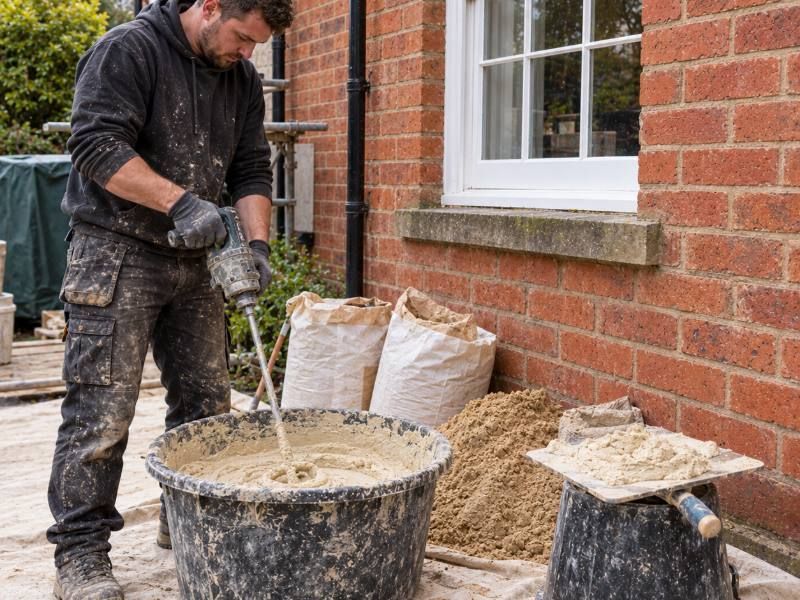
Hard cement pointing being cut out by hand from soft Victorian brickwork

Taking out hard cement pointing

Cement joints on soft brick come out slowly, mostly by hand, so the brick edges are not chipped away.

  • Cement pointing removed with care
  • Hand tools beside fragile arrises
  • Old lime raked back to sound mortar
  • Joints cleaned of loose dust
  • Spalled bricks noted for repair
  • Stone joints opened without damage
  • Wall wetted ahead of the lime
  • Original joint widths kept
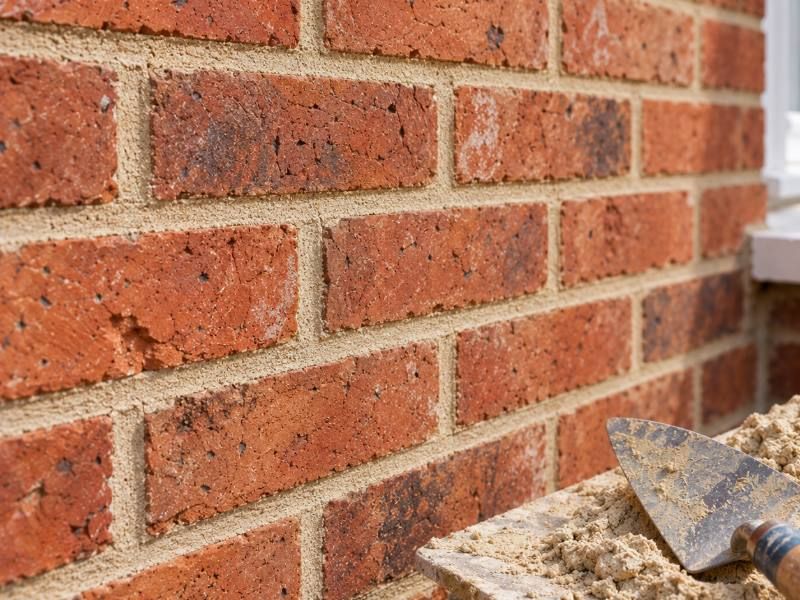
Finished lime pointing on a period brick wall with soft, sandy joints

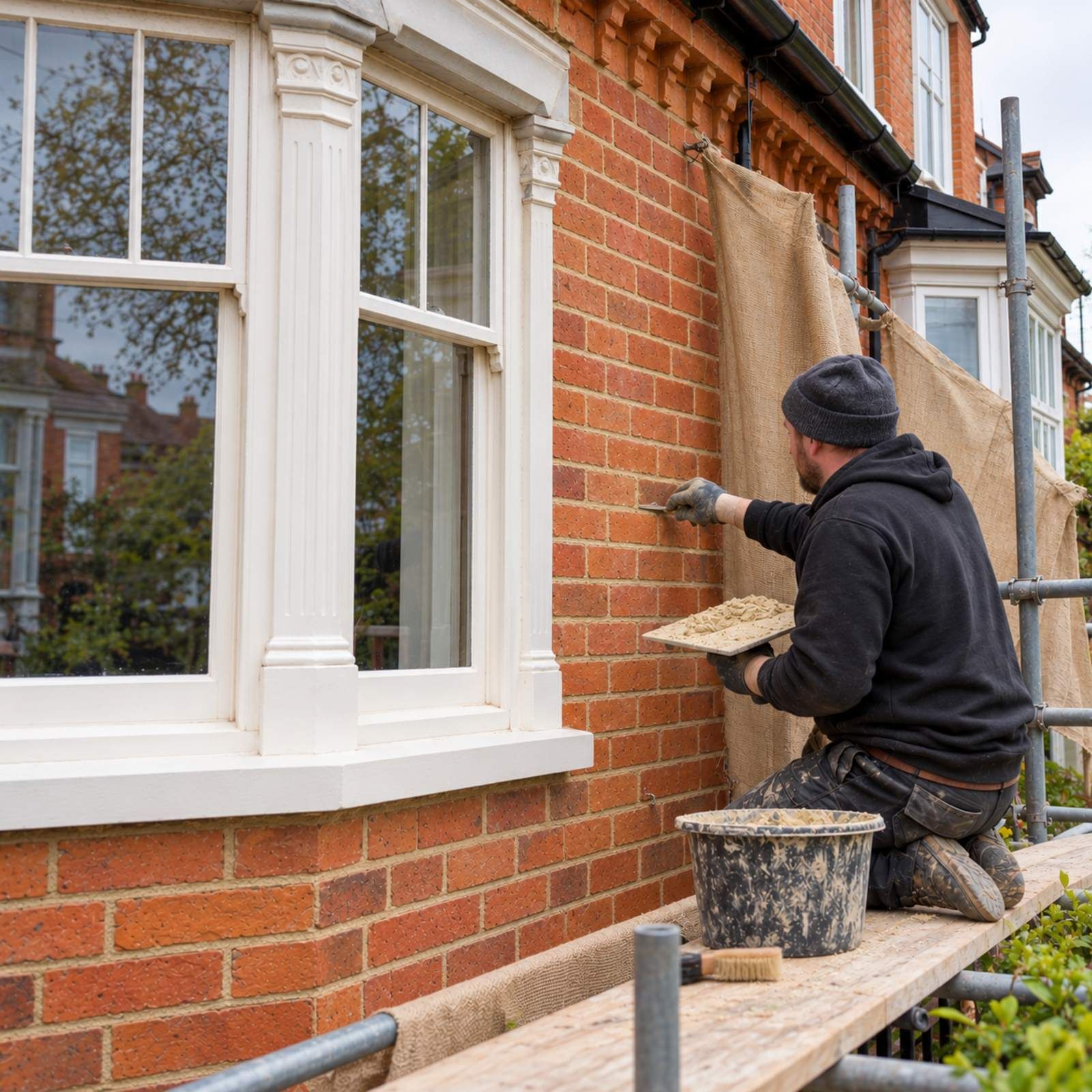
Pointing in lime and protecting it

Lime goes on in thin lifts and is protected while it cures, which is the part that makes it last.

  • NHL or lime putty to suit
  • Sand matched to the old mortar
  • Joints filled in thin, pressed lifts
  • Finish copied from original joints
  • Surface brushed back once firm
  • Hessian against sun and frost
  • Kept damp so it cures slowly
  • Brick and stone walls both pointed

Repointing prices

Guide prices for a standard house. Pick the house and the walls, then send it to us on WhatsApp.

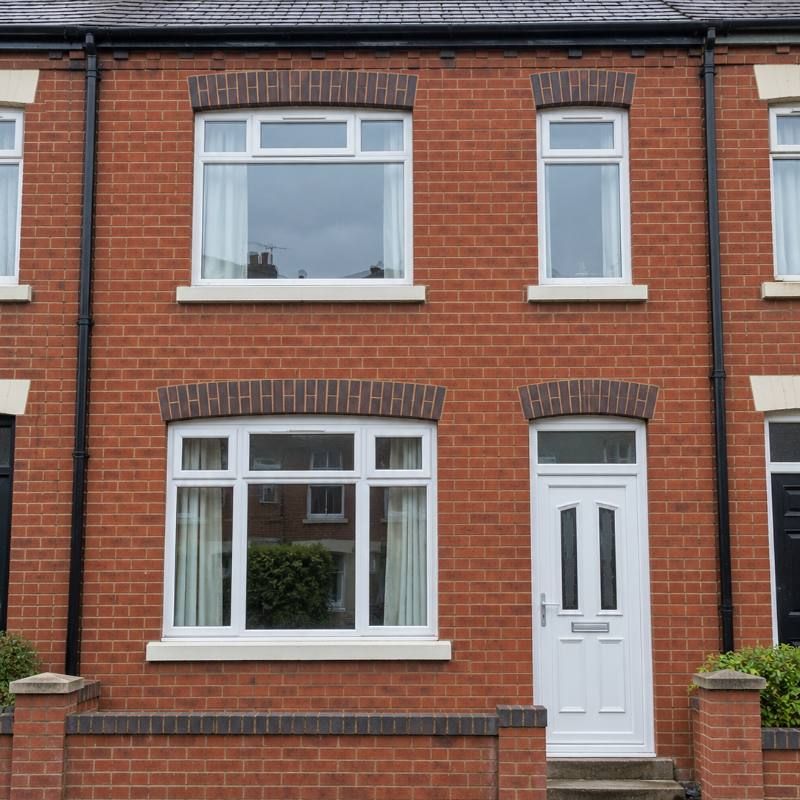
Terraced house, front elevation
House
Walls
Mortar
Repointing from £2,312.50 Terraced house, front, lime mortar
Send this on WhatsApp

Prices are for a standard house with normal access. Detached houses, chimney stacks and very high walls are priced from photos. Lime pointing is 25% more than cement.

See every repointing price
House and walls Cement mortar Lime mortar
Terraced house, front £1,850 £2,312.50
Terraced house, rear £1,850 £2,312.50
Terraced house, front and rear £3,700 £4,625
Semi-detached house, front £2,450 £3,062.50
Semi-detached house, rear £2,450 £3,062.50
Semi-detached house, front and rear £4,900 £6,125

How a lime repoint is carried out

  1. Look at the wall

    From photos or a visit we check the brick, any stone and what mortar is in the joints now.

  2. Remove the wrong mortar

    Hard cement and loose lime are taken out by hand wherever the brick edges are soft.

  3. Point in lime

    The chosen lime mortar is packed into dampened joints in thin lifts and finished to match.

  4. Protect while it cures

    New work is covered and kept damp until the lime has firmed up enough to look after itself.

Why owners of period homes call us

Period houses understood

Soft brick, lime joints and old stone behave differently from modern walls, and we work with that.

Breathable mortars

Natural hydraulic lime and lime putty let moisture leave through the joints instead of the brick.

Careful cement removal

We take hard pointing out slowly so the brick arrises survive the job.

Stone walls as well

Lime pointing suits rubble and dressed stone just as much as old brick.

18 years at the trowel

Our 18 years in the trade include a great many older houses with soft brick.

Straight answers on mortar

If your wall is perfectly happy in cement, we say so rather than selling you lime.

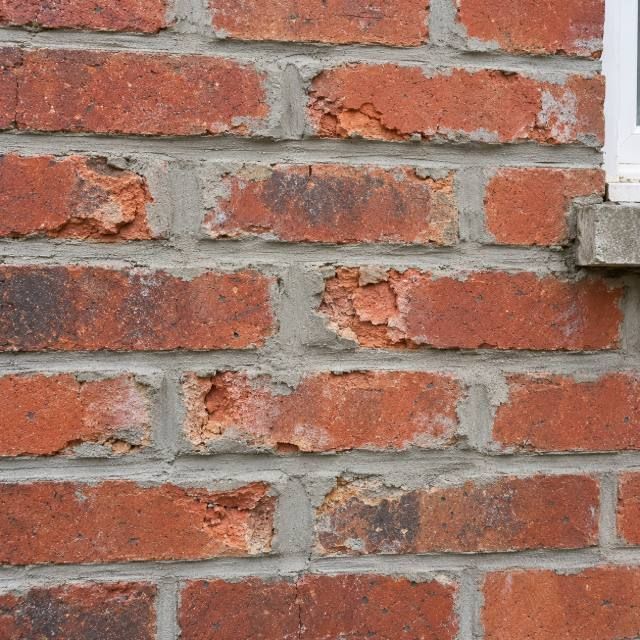
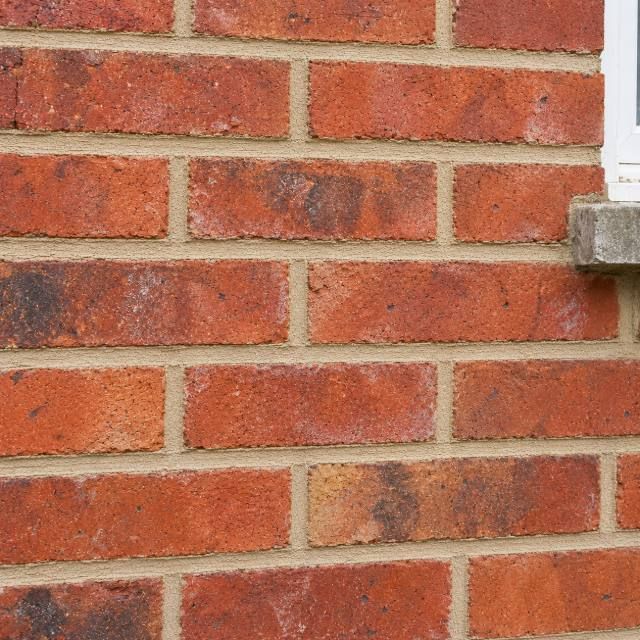
Before and after: lime pointing on an older wall

Victorian brick wall repointed in lime mortar before
Before
Victorian brick wall repointed in lime mortar after
After

NHL, lime putty and looking after new lime

Natural hydraulic lime, sold as NHL, sets partly by reacting with water and partly by taking in carbon dioxide from the air. It comes in several strengths, and the gentler grades suit soft brick and weathered stone where the joint must stay more porous than the wall. Non-hydraulic lime putty sets only by carbonating, so it hardens very slowly and is kept for sheltered walls and the most delicate brick.

Getting cement out of a soft brick wall is the riskiest stage of the job. Running a grinder straight down the joint can catch the arrises, the brick edges, and leave joints looking wide and ragged. We use a plugging chisel and hand tools close to the brick and keep any disc work to joints that are wide enough and bricks that are hard enough to take it.

Lime does not like extremes. It goes on in thinner layers than cement, pressed well into joints that have been dampened, and then kept out of strong sun, wind, rain and frost while it cures. Hessian sheets kept slightly damp do most of that work. In practice lime pointing is best planned for the milder months, and a winter job may need to wait for a settled spell.

Lime and period pointing near you

Town pages for our pointing work, including the older houses in each area.

Lime pointing questions

How can I tell if my house was built with lime mortar?

As a rough guide, most houses from the Victorian and Edwardian years or earlier were. Original lime joints tend to be soft, pale and sandy, and often scratch away with a key. If an old house has hard grey joints, it has probably been repointed in cement at some point.

Is hard cement pointing really a problem on an old house?

It can be. On soft brick, strong cement stops the wall drying out through its joints, so the water leaves through the brick faces instead. Over a few winters that often shows up as flaking or crumbling bricks along the joint lines.

What is the difference between NHL and lime putty?

NHL is a hydraulic lime that sets with water as well as air, so it is firmer and more forgiving in exposed spots. Lime putty sets only in air, stays softer and suits sheltered walls and very soft brick. We choose between them once we have seen the wall.

Does lime pointing take longer than cement?

Yes. Removing cement carefully, laying lime in thin lifts and protecting it while it cures all add time. That extra care is what lets the pointing work with the wall rather than against it. It is priced 25% above cement repointing: a standard terraced front or rear is from £2,312.50, and a semi-detached front or rear is from £3,062.50.

Can you lime point a stone wall?

Yes. Stone cottages, stone fronts and old boundary walls are pointed in lime in much the same way, with the sand and finish chosen to suit the stone. A close-up photo of the joints helps us judge what the wall needs.

Can lime pointing be done in winter?

Lime needs frost-free weather to cure properly, so most lime work is done between spring and autumn. Smaller jobs can sometimes go ahead in a mild spell if the new joints are well covered.

Ask about lime pointing for your house

WhatsApp us photos of your period brick or stone, including a close-up of the joints. Quotes cost nothing.