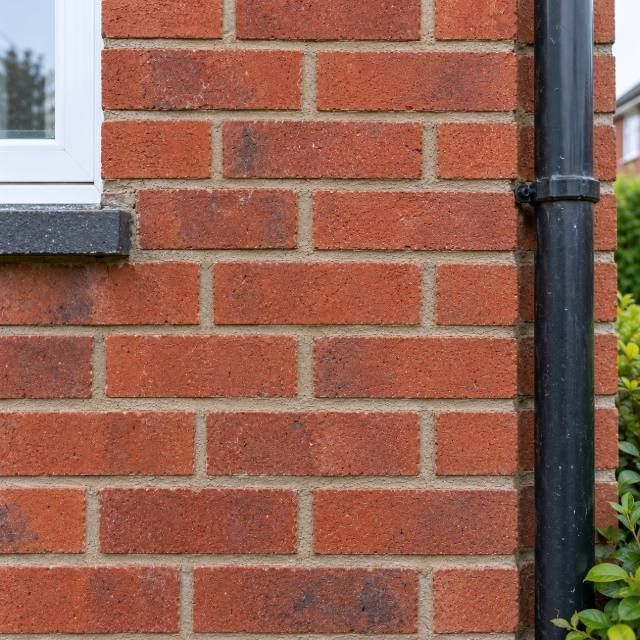
When the bricks themselves start to fail
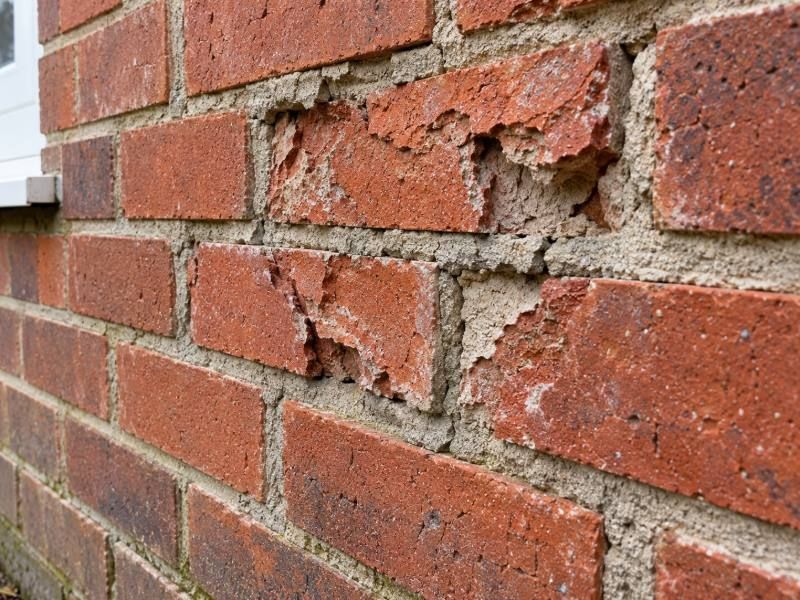
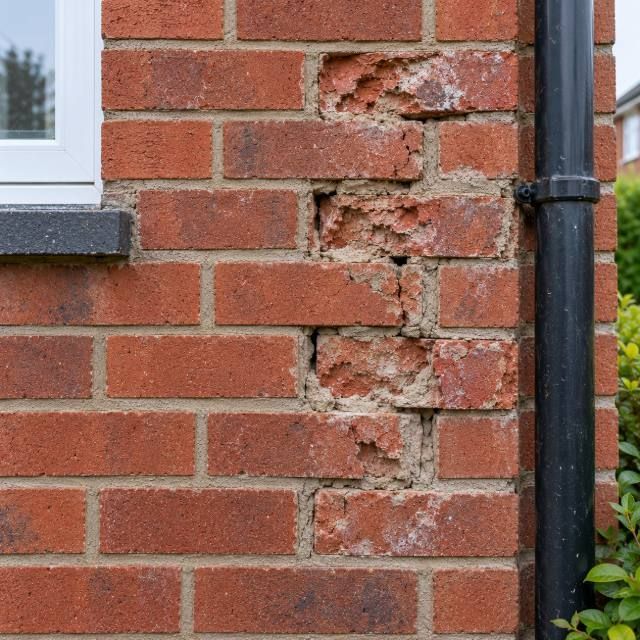
Brick is tough, but it is not indestructible. Once water gets into the face of a brick and freezes, the outer layer can pop off and leave a soft, crumbling surface, which is known as spalling. Bricks also crack where a wall has moved, or break down slowly where they have stayed wet for years. Left alone, a damaged brick lets more water in and the problem spreads to its neighbours.
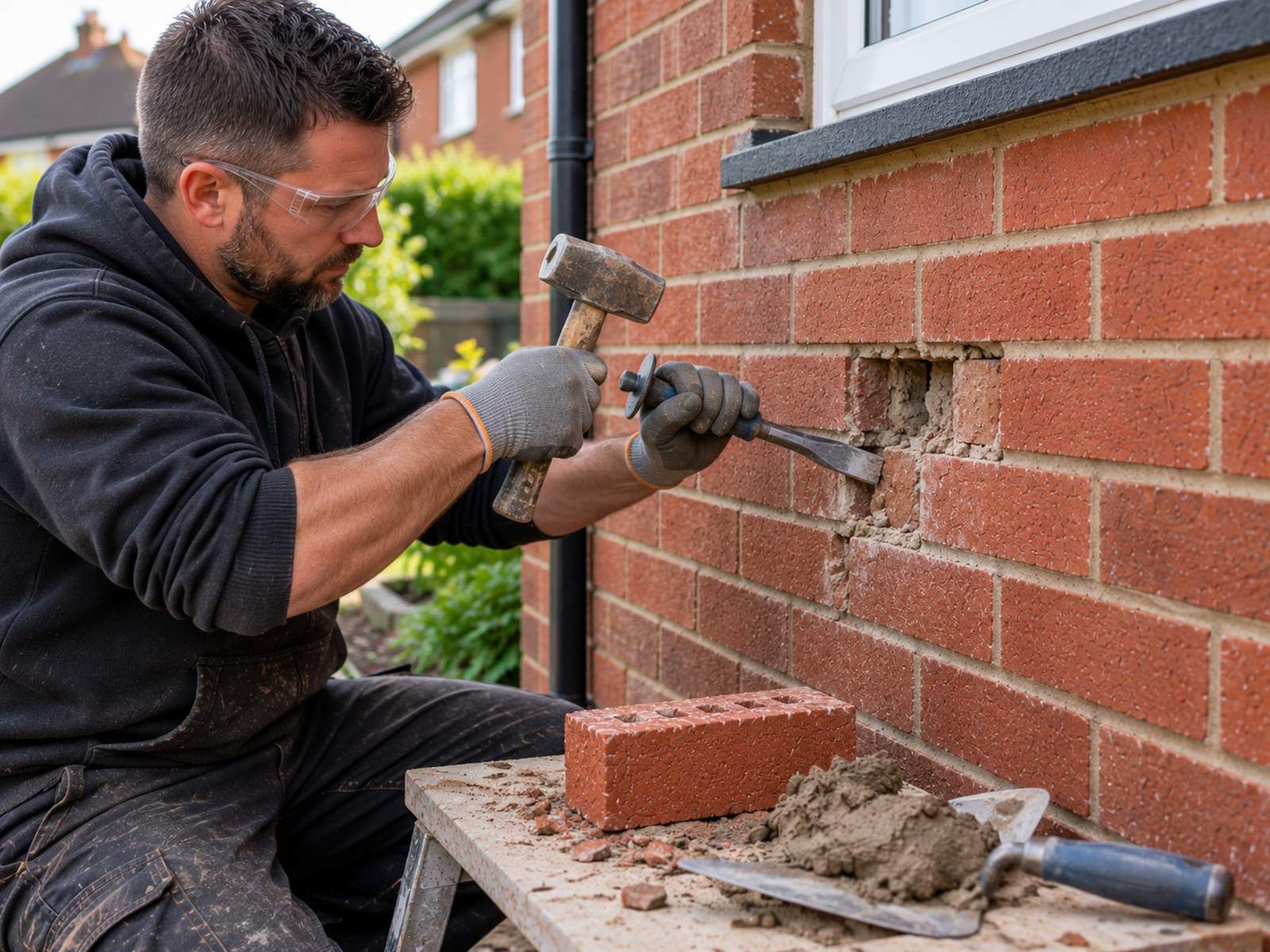
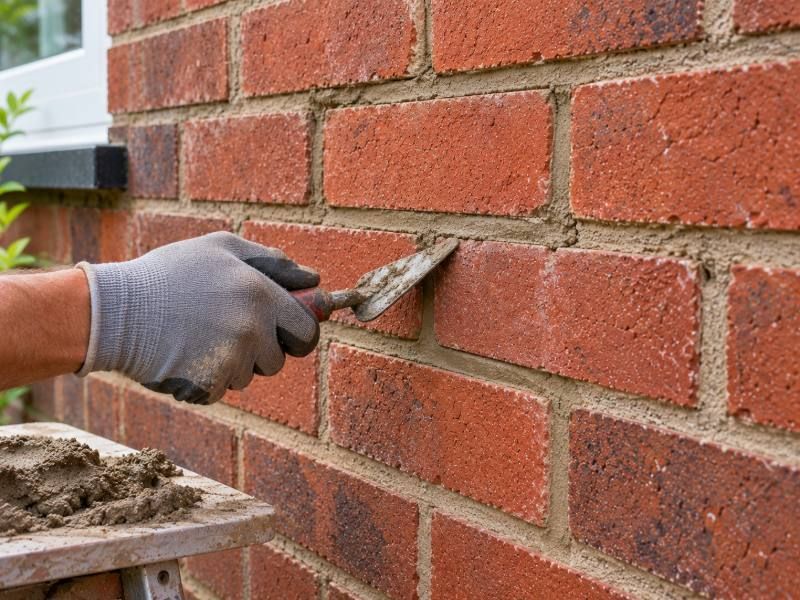
The repair is to cut out each damaged brick, clean out the hole and bed in a replacement that matches in size, colour and texture. Sometimes the original brick is sound on its back face and can be turned round and refitted. Where a whole section has deteriorated, taking it down and rebuilding can make more sense, which is where our bricklaying
work comes in.
We always look for the cause. A dripping gutter, a cracked downpipe or old hard cement pointing are the usual culprits, and the last of those is common on older houses. If your wall was laid in lime, our lime and mortar pointing service
deals with the joints, and on modern brickwork the same job falls under brick repointing.
If damaged bricks sit above a window or door alongside a crack, the lintel guide
explains what to look for. Otherwise, a photo of the wall on WhatsApp is the quickest way to find out what is going on.